

About 80% of child custody cases have claims of unfit parenting. This shows how complex family issues and legal battles can be. Knowing what makes a parent unfit is key in family law.
An unfit parent label can change a parent’s rights a lot. Courts check if a parent can give a safe, loving home. They look at more than just how well a parent can take care of a child.
Figuring out if a parent is unfit involves looking at many things. This includes if the parent is emotionally stable, can afford things, and can meet a child’s basic needs. Child custody cases are very closely watched to keep kids safe.
Key Takeaways
- Unfit parenting allegations are present in 80% of custody cases
- Courts prioritize children’s safety and well-being
- Multiple factors contribute to parental fitness assessment
- Parental behavior significantly impacts custody decisions
- Legal evaluations are thorough and look at many sides
Understanding Unfit Parenting in Custody Cases
Child welfare is complex. It’s important to know what makes a parent unfit. Courts check if parents are good for their kids’ safety and happiness.
Checking if a parent is fit means looking at many things. These things help a child grow and stay safe. Courts in the U.S. always think about what’s best for the child.
Defining Unfit Parenting
An unfit parent harms their child’s health and happiness. Signs include:
- Chronic substance abuse
- Documented history of child neglect
- Severe mental health issues left untreated
- Consistent failure to provide basic care
- Engaging in criminal activities
Critical Evaluation Criteria
Courts do deep checks in custody cases. They look for risks to kids. The checks include:
| Assessment Method | Purpose |
|---|---|
| Home visits | Observe living conditions and parent-child interactions |
| Psychological evaluations | Assess mental health and parenting capabilities |
| Interviews | Gather insights from parents, children, and relevant parties |
About 30% of custody cases worry about a parent’s health. This affects how well they can care for their child. These checks are key to see if a parent can keep their child safe and happy.
Knowing about parental fitness helps keep kids safe. It makes sure they are in the best place during tough times.
Common Signs of Unfit Parenting
Custody courts look closely at how well parents care for their kids. Knowing when a parent might not be good enough helps keep kids safe. This is very important in tough family situations.
Parents might not be seen as good enough if they harm their child’s health. About 1 in 4 kids face this problem at some point.
Substance Abuse Issues
Drugs and alcohol can really hurt a parent’s ability to care for their kids. Courts often look at parents with addiction problems. More than 60% of these parents are seen as unfit for custody.
- Frequent substance use around children
- Inability to maintain stable employment
- Neglecting child’s basic needs due to addiction
- Unpredictable or aggressive behavior
Emotional Instability
When parents are too emotional, it can scare their kids. About 40% of unfit parents have mental health issues. This makes home life very hard.
- Untreated mental health conditions
- Extreme mood swings
- Inability to provide consistent emotional support
- Frequent conflict with family members
Neglecting Basic Needs
Services watch out for parents who don’t take care of their kids. Courts are very strict here. Over 70% of unfit parents are accused of neglect or abuse.
- Insufficient food and nutrition
- Lack of proper medical care
- Unsafe living conditions
- Educational neglect
Knowing these signs helps keep kids safe. It also helps courts make better decisions for kids’ safety and happiness.
Impact of Unfit Parenting on Children
Unfit parenting can deeply hurt children in many ways. It affects their growth and well-being. It can also harm their mental and social health.
Long-term Psychological Effects
Children in unstable homes face big emotional challenges. They might:
- Feel anxious or depressed
- Have trouble bonding with others
- Feel bad about themselves
- Develop psychological disorders
Academic Challenges
Stable parents help kids do better in school. Unfit parenting can lead to:
- Less focus and learning
- More days missing school
- Less interest in learning
- Learning problems due to stress
Behavioral Issues
Unfit parenting can cause kids to act out. They might:
- Be too aggressive or shy
- Have trouble controlling their feelings
- Take more risks
- Struggle to make friends
Studies show that 90% of kids with relatives do better than those in foster care. This shows how important a stable home is.
Legal Criteria for Unfit Parenting
Figuring out if a parent is fit is a tough legal task. It focuses on keeping kids safe and protecting parents’ rights. Courts look at many things to decide if a parent is good enough or not.

Every state has its own rules for saying a parent is unfit. They do deep checks that aren’t just simple yes or no answers.
Key Factors in Determining Parental Fitness
- Evidence of child neglect or abuse
- Substance abuse history
- Mental health considerations
- Ability to provide stable living environment
- Criminal background
State-Specific Legal Standards
States have different ways to say a parent is unfit. For example, Kansas courts like both parents to have a say. They need clear and convincing evidence to take away a parent’s rights.
Critical Documentation Reviewed by Courts
- Neglect or abuse reports
- Medical records
- Substance abuse documentation
- Professional psychological assessments
- Testimonies from educators and caregivers
Courts look for patterns of bad behavior. They want to see if a parent can take care of a child. But, one bad thing doesn’t always mean a parent is unfit. It’s the repeated bad actions that matter.
The main goal is to keep the child safe and happy. At the same time, courts want to help parents get better and be with their kids again.
The Role of Child Welfare Services
Child welfare services help keep kids safe from bad parenting. They check for risks and help families in many ways.
When there’s a worry about bad parenting, these services start a deep investigation. They look at the home and how well parents can care for their kids. A family lawyer might help with the legal stuff.
Investigations and Assessments
The court checks many important things:
- They look at the home environment.
- They talk to parents and kids.
- They check medical and school records.
- They do background checks.
Intervention Strategies
When they find bad parenting, they help in many ways:
- They offer parenting classes.
- They help with substance abuse.
- They provide mental health counseling.
- They support family reunification.
| Intervention Type | Purpose | Success Rate |
|---|---|---|
| Parenting Classes | Skill Development | 65% |
| Substance Abuse Treatment | Addiction Recovery | 55% |
| Family Counseling | Relationship Healing | 70% |
About 1 in 7 children face abuse or neglect each year. Child welfare services try to lower this number. They help families get better with support and help.
Substance Abuse as a Red Flag
Substance abuse is a big worry in child custody cases. It can make a parent unfit to care for a child. Family law experts look closely at behaviors that might harm a child.
Courts really look at substance abuse when deciding if a parent is fit. In Mississippi and Kentucky, they always think about what’s best for the child.
Types of Substance Abuse
Substance abuse can involve many things:
- Alcohol dependency
- Illegal drug consumption
- Prescription medication misuse
- Recreational drug usage
Behavior Patterns Indicative of Abuse
Spotting substance abuse means looking for certain behaviors:
- Erratic decision-making
- Financial instability
- Neglecting child’s basic needs
- Frequent legal troubles
| Substance Type | Potential Custody Impact | Legal Intervention |
|---|---|---|
| Alcohol | High risk of supervised visitation | Mandatory rehabilitation program |
| Illegal Drugs | Potential parental rights termination | Court-ordered treatment |
| Prescription Drugs | Restricted custody arrangements | Medical evaluation required |
Child welfare services watch closely when parents use substances. They know it can really hurt a child’s mind. Courts usually want parents to get better before taking away their rights.
Social media can also play a big role in custody cases. Posts about substance use can be very important in court.
Mental Health Concerns in Parenting
Mental health is very important when deciding if a parent is fit for custody. Courts look at how mental health issues might affect a child’s safety and care.
About 1 in 5 adults in the U.S. face mental health problems. These issues don’t mean a parent can’t get custody. But, courts need to check it out carefully.
Recognizing Mental Health Disorders
Some mental health issues that might worry courts include:
- Severe depression
- Bipolar disorder
- Anxiety disorders
- Schizophrenia
- Personality disorders
Coping Mechanisms and Resources
Parents with mental health issues can show they care about their kids by:
- Going to regular doctor visits
- Seeing a therapist
- Managing their medicine
- Joining support groups
| Mental Health Factor | Impact on Custody | Recommended Action |
|---|---|---|
| Untreated Severe Disorder | High Risk | Mandatory Evaluation |
| Managed Treatment | Low Risk | Continued Monitoring |
| Active Recovery | Positive Consideration | Potential Full Custody |
Courts focus on child safety but also see that managing mental health is a sign of responsibility. About 65% of judges look at mental health treatment when deciding custody.
Domestic Violence and Unfit Parenting
Domestic violence is a big deal in family courts. It affects who gets custody of kids. The courts want to keep kids safe from harm.
Family courts look closely at signs of domestic violence. They know it’s bad for kids. Kids who live in violent homes can get hurt in many ways.
Indicators of Domestic Violence
- Visible physical injuries
- Patterns of controlling behavior
- Consistent verbal abuse
- Intimidation tactics
- Psychological manipulation
Effects on Children
Seeing violence at home can really hurt kids. It can make them feel scared and sad. It’s not just about being safe.
| Impact Area | Potential Consequences |
|---|---|
| Emotional Development | Anxiety, depression, low self-esteem |
| Social Interactions | Difficulty forming healthy relationships |
| Academic Performance | Decreased concentration, possible learning problems |
In bad cases, courts might take away a parent’s rights. This is to keep kids safe from more harm. The court needs strong proof to make this choice.
Experts and child services help figure out how violence affects kids. They look at how it changes custody decisions.
Economic Factors Contributing to Unfit Parenting
Money problems can really hurt how well parents take care of their kids. It’s important to understand how money issues affect parents. This helps in making fair decisions in court.
Financial Stress and Family Dynamics
Money troubles put a lot of stress on families. This stress can make it hard for parents to care for their kids well. Studies show that about 30% of families with big money problems might find it tough to be good parents.
- Less money means less for kids’ needs
- Money worries can make parents feel stressed
- It’s hard to get help for health and school
Resource Access and Support Systems
Parents with money problems often find it hard to get help for their kids. Courts are starting to see that poverty doesn’t mean a parent is unfit. But, money troubles can play a part in court decisions.
Courts look at a few key things:
- Can parents provide a safe home?
- Can they feed their kids well?
- Do they have access to health care?
- Can kids get an education?
About 50-60% of parents with money issues can show they care about their kids. They do this by working with support groups and legal help.
Parenting Skills Assessment
Evaluating how good parents are is key in child custody decisions. Experts play a big role in figuring out how parents do their job. They make sure kids are safe.
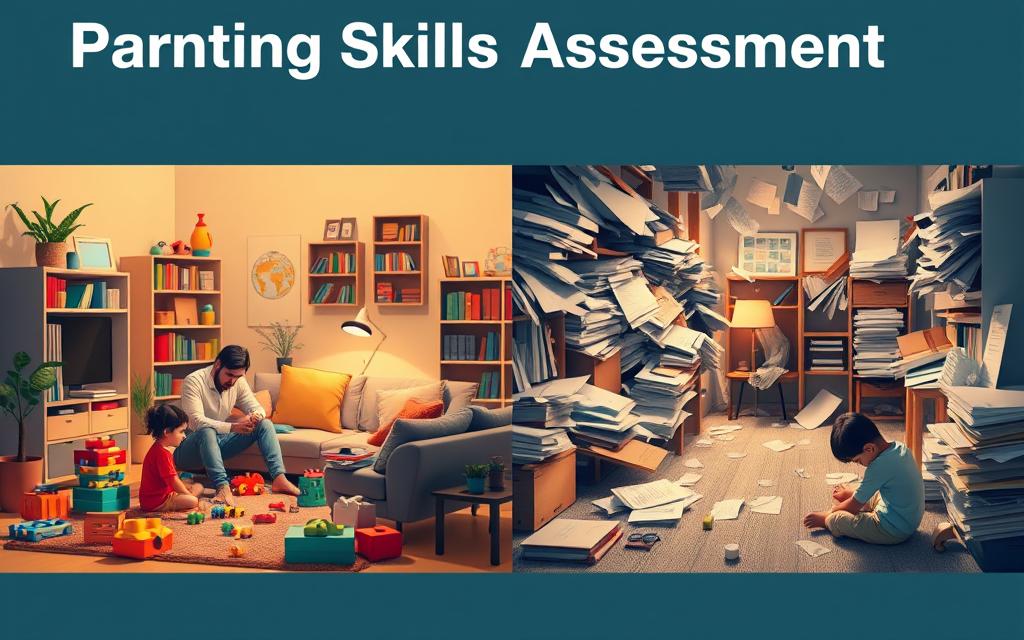
Courts and experts use many ways to check if parents are good enough. They look closely at how parents act and perform.
Key Components of Parenting Skill Evaluation
Experts do deep checks on many important things:
- How well parents respond to their child’s needs
- Setting the right rules for discipline
- Talking well with their kids
- Keeping a stable home for their kids
Professional Assessment Methodologies
Experts use special ways to check if parents are doing a good job. These include:
- Psychological tests to see how mental health affects parents
- Looking at the home environment
- Watching how parents and kids interact
- Talking to family and caregivers
They look at things like neglect, if parents can meet their kids’ needs, and how well they take care of their kids.
| Assessment Method | Purpose | Duration |
|---|---|---|
| Psychological Evaluation | Mental health check | 2-4 hours |
| Home Study | Checking the home | 1-3 visits |
| Parent-Child Observation | Watching how they interact | Many sessions |
These detailed checks can cost between $500 and $15,000. This depends on how complex the case is and how deep the check needs to be.
The Role of Parental Alienation
Parental alienation is a big problem in child welfare law. It can really mess up family life during custody fights. It happens when one parent tries to hurt the bond between a child and the other parent.
Judges see parental alienation as a big deal. A big study found that about 75% of family law judges think it’s a big issue. It can really hurt a child’s feelings.
Understanding Parental Alienation
Parental alienation is when one parent tries to hurt the child’s bond with the other parent. They might:
- Speak badly about the other parent
- Stop the child from seeing the other parent
- Make the child feel bad about the other parent
- Tell lies about the other parent
Psychological and Legal Implications
Children who face parental alienation often feel very upset. Research shows they are 50% more likely to feel emotional pain than kids with loving parents.
| Parental Alienation Impact | Statistical Insights |
|---|---|
| Emotional Distress Risk | 50% Higher |
| Custody Rights Reduction | 30% Chance |
| Mental Health Evaluations | 60% of Cases |
A family lawyer who knows about child welfare law can help. Courts look closely at alienating behaviors. About 15% of family law cases find parents guilty of contempt for these actions.
The legal effects of parental alienation can be very harsh. Courts are starting to see how bad these actions are. They might take away custody from the alienating parent.
Importance of Custody Evaluations
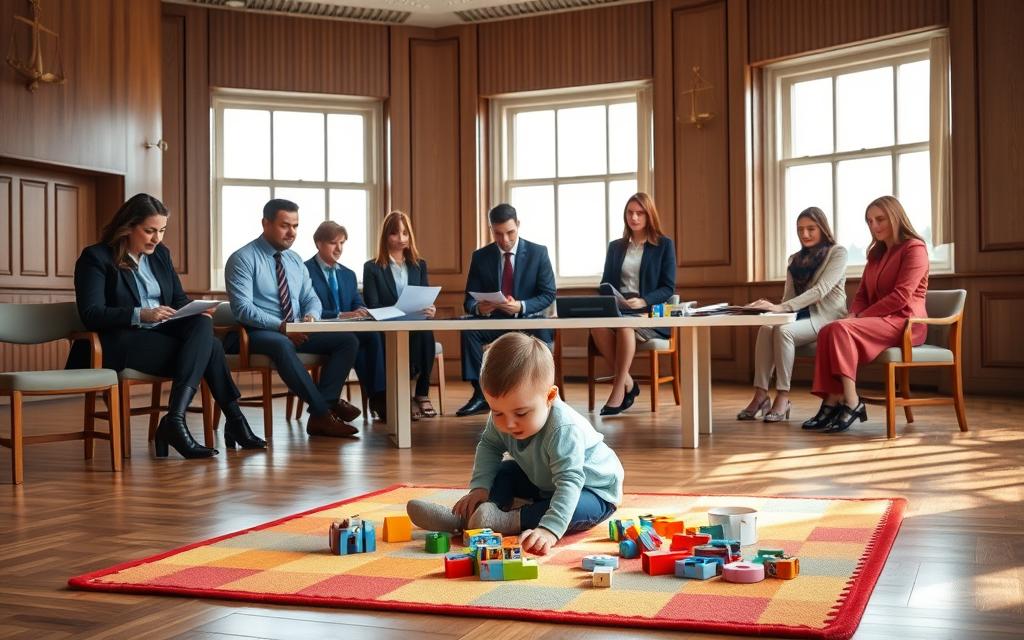
Custody evaluations are key in child custody cases. They look deeply into family dynamics and how well parents can care for their kids. This helps courts decide what’s best for the child.
What Is a Custody Evaluation?
A custody evaluation is a detailed check by experts. They look at if parents are fit to care for their kids. In California, these are called “730 evaluations” and are very important for courts.
- Typically involves multiple professional assessments
- Examines family relationships and parenting capabilities
- Provides objective recommendations for child custody arrangements
How Evaluations Are Conducted
Experts doing these evaluations need at least five years of experience. They look at many things and it can take months.
- Home visits to assess living environments
- Interviews with parents and children
- Psychological testing and assessments
- Review of medical and school records
- Consultations with individuals familiar with the family
Custody evaluations are very important. They help decide if a parent is fit to care for their child. They make sure the child is safe and happy.
About 25% of the time, one parent gets all the custody because of concerns. The report is kept secret. It can really affect the judge’s decision.
Addressing Allegations of Unfit Parenting
Going through court cases about custody is tough. Being accused of unfit parenting is very hard and complicated. It’s key to know how to defend yourself well to keep your child safe and your rights.
When you’re accused of unfit parenting, acting fast and keeping records is vital. About 30% of kids in the U.S. might face abuse or neglect. So, these claims are very serious.
Responding to Claims
Parents accused of unfit parenting should do these things:
- Gather lots of proof of your involvement with your child
- Find evidence that shows you take care of your child
- Keep detailed records of your time with your child
- Get a lawyer who knows a lot about family law
Legal Assignments and Documentation
Courts need a lot of proof to decide if you’re a good parent. Important documents might be:
- School records
- Medical records
- Statements from people who know you
- Proof that you support your child financially
Having good evidence can make your case stronger by up to 65%. Courts like to see detailed, clear evidence that shows you’re a good parent.
Also, false claims in custody cases happen from 36% to 55% of the time. This shows how important it is to have accurate and detailed evidence.
Resources for Parents Facing Custody Battles
Going through custody battles is tough for parents. It’s important to know where to find help. This is true if you’re facing claims of being unfit during court hearings.
Parents in tough legal fights need strong support. This helps them deal with problems and show they care about their kids.
Counseling and Support Groups
Professional counseling is key for emotional support in custody fights. Special groups offer great benefits:
- Emotional healing and stress management
- Networking with others facing similar issues
- Learning how to talk better
- Finding ways to cope
Legal Aid Services
Finding the right lawyer is vital for parents in custody cases. There are many ways to get help:
- Free legal clinics
- Low-cost legal advice
- Family law nonprofits
- State legal aid programs
| Resource Type | Key Benefits | Accessibility |
|---|---|---|
| Online Support Groups | 24/7 Emotional Support | High |
| Professional Counseling | Personalized Guidance | Medium |
| Legal Aid Clinics | Affordable Legal Advice | Moderate |
Looking for help early shows you’re serious about growing and caring for your child during tough times.
Rebuilding Parenting Skills After Being Labeled Unfit
Parents facing child protection and legal issues must rebuild trust. Family court decisions can hurt parent-child relationships. It’s key to grow personally to reconnect with kids.
Special parenting classes help improve skills. They teach communication, emotional control, and child growth. Mental health experts suggest focused help to show parents are changing for the better.
Personal Development Strategies
Real self-reflection and action are needed for personal growth. Parents must tackle issues like substance use, mental health, or talking problems. Counseling, support groups, and training boost confidence and show a safe home for kids.
Studies show parents who join rehab and grow do better. Keeping records, getting advice, and being open with lawyers helps. This way, parents can regain trust and custody rights.


