

Are you drowning in mortgage debt and scared of losing your home? What if you could pause foreclosure and feel relieved? Bankruptcy might be the unexpected help you need to stop foreclosure and save your home.
Homeowners facing money troubles often feel stuck. But, the law has strong protections. Can bankruptcy stop a foreclosure? Yes, it can. An automatic stay can stop foreclosure right away, giving you time to fix your finances and find ways to keep your home.
Every year, thousands of Americans use bankruptcy to protect their homes. This legal tool gives you a chance to start fresh and work towards a stable future.
Key Takeaways
- Bankruptcy can immediately stop foreclosure proceedings
- An automatic stay provides legal protection for homeowners
- Chapter 7 and Chapter 13 offer different approaches to preventing home loss
- Professional legal guidance is key in navigating bankruptcy
- Bankruptcy is a complex but potentially effective solution for financial distress
Understanding Foreclosure: What You Need to Know
Foreclosure is tough and emotional for homeowners. It happens when they can’t pay their mortgage. Knowing the foreclosure process is key to fighting it.
Types of Foreclosure Explained
Homeowners face two main types of foreclosure:
- Judicial Foreclosure: Needs court help and legal steps
- Non-Judicial Foreclosure: Happens outside court by state rules
The Foreclosure Process Breakdown
Stopping foreclosure starts with knowing the steps:
- Missed payments lead to first warnings
- Lender sends a default notice
- Pre-foreclosure starts
- Property is sold at auction or seized
To stop foreclosure, talk to your lender early. Look into loan changes, refinancing, or payment plans. These can save your home.
Every state has its own foreclosure rules. Knowing these and getting help from experts is vital to keep your home.
Overview of Bankruptcy: A Lifeline for Homeowners
Bankruptcy is a big help for people with too much debt. It lets you manage your money better and might save your home from being taken away.
Money troubles can get really bad fast. Bankruptcy gives you a way to stop this and start getting back on track financially.
Understanding Bankruptcy Basics
Bankruptcy is a legal way to deal with big money problems. It aims to ease your debt burden and help you get back on your feet.
- Provides legal protection from creditors
- Stops collection actions
- Creates an opportunity for debt restructuring
Comparing Bankruptcy Chapters
Homeowners usually choose between Chapter 7 and Chapter 13 bankruptcies. Each has its own way of handling debt and keeping your stuff safe.
| Chapter 7 | Chapter 13 |
|---|---|
| Liquidation bankruptcy | Reorganization bankruptcy |
| Eliminates most unsecured debts | Creates a repayment plan |
| Typically faster process | Allows debt consolidation |
Choosing the right bankruptcy depends on your money situation, how much you make, and your debt problems.
How Bankruptcy Can Affect Foreclosure Proceedings
Facing foreclosure is very stressful for homeowners. Bankruptcy can stop the foreclosure process. It gives people time to catch up on mortgage payments.
When someone files for bankruptcy, the court stops all collection actions right away. This gives homeowners a chance to fix their finances before losing their homes.
Automatic Stay: Immediate Relief for Homeowners
The automatic stay helps homeowners in many ways:
- It stops foreclosure right away
- It keeps creditors from taking action
- It gives time to figure out a financial plan
Impact on Foreclosure Timeline
Bankruptcy can change the foreclosure timeline a lot:
| Bankruptcy Type | Foreclosure Impact | Potential Duration |
|---|---|---|
| Chapter 7 | Temporary Halt | 3-4 Months |
| Chapter 13 | Restructuring Opportunity | 3-5 Years |
Remember, bankruptcy only gives temporary relief. It’s not a permanent fix. Always talk to a lawyer to understand your situation fully.
The Role of Chapter 7 Bankruptcy in Foreclosure
Chapter 7 bankruptcy can be a big help for homeowners in trouble. It gives them a chance to stop foreclosure and catch their breath. This legal option is great for those with too much debt and fear of losing their home.
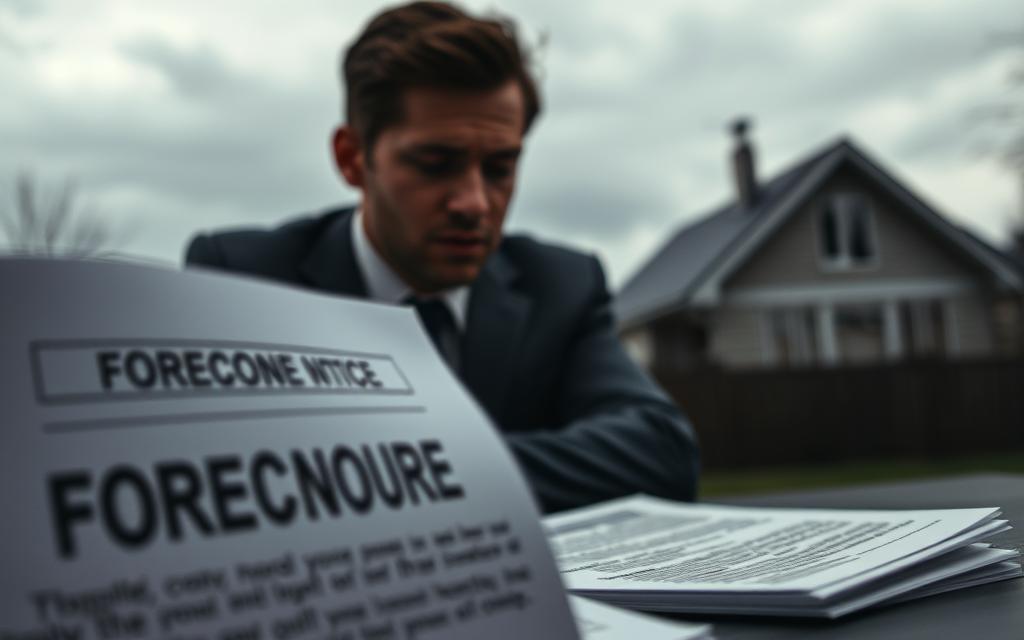
Homeowners should know how Chapter 7 works. It’s good because it can wipe out unsecured debts. This means more money for paying off the mortgage.
Forgiveness of Unsecured Debts
Chapter 7 bankruptcy can really help with debt. It can clear out:
- Credit card balances
- Medical bills
- Personal loans
- Collection accounts
What Happens to Your Home?
Thinking about bankruptcy and your home is important. The outcome depends on a few things:
- How much equity your home has
- State laws about keeping your home
- If you’re up to date on mortgage payments
To save your home from auction, Chapter 7 might not be enough. It can stop foreclosure for a while. But, you must pay up on your mortgage to keep your home.
Getting good advice and planning well is key. It helps with the tough choices of bankruptcy and keeping your home.
Chapter 13 Bankruptcy: A Strategic Approach
Chapter 13 bankruptcy helps homeowners save their homes. It’s a legal way to manage mortgage problems. It gives a clear path to getting back on financial track.
When you might lose your home, Chapter 13 is a key solution. It lets homeowners make a plan to pay off debts. This plan helps manage financial troubles.
Creating a Repayment Plan for Your Mortgage
Chapter 13 lets you make a special plan to pay off your mortgage. This plan is approved by a court. It usually lasts three to five years.
- Consolidate existing mortgage debts
- Catch up on missed payments gradually
- Protect your home from foreclosure
- Potentially reduce overall debt burden
Catching Up on Missed Payments
Chapter 13 bankruptcy helps you save your home. It lets you pay missed mortgage payments slowly. This stops foreclosure and gives you time to fix your finances.
Chapter 13 has many benefits:
- Stops foreclosure right away
- Makes payments easier to manage
- Helps you keep your home
- Protects other assets from being taken
It’s important to talk to a bankruptcy lawyer. They can help you understand Chapter 13. They can also create a plan that works for you.
Eligibility Requirements for Bankruptcy
Going through bankruptcy can be a big help for homeowners in trouble. It’s important to know if you can file for bankruptcy. Each type of bankruptcy has rules to see if you qualify for help.
Bankruptcy lawyers who know about foreclosure can check your case. They can tell you the best way to go.
Income Limitations for Chapter 7
Chapter 7 bankruptcy needs you to pass a means test. This test looks at how much money you have. It compares your monthly income to the average for your state. Important things to think about are:
- Figuring out your average monthly income from the last six months
- Seeing how your income stacks up against your state’s average
- Looking at how much money you have left after paying for basics
Debt Limits for Chapter 13
Chapter 13 bankruptcy has rules on how much debt you can have. The rules are:
- Secured debt can’t be over $1,395,875
- Unsecured debt can’t go past $465,275
- You need regular income to make payments
Talking to a Bankruptcy Lawyer Foreclosure expert can help. They can explain these rules and find the best plan for you.
Filing for Bankruptcy: Steps to Take
Going through a Bankruptcy Filing Foreclosure can be tough. But knowing the steps helps homeowners keep their financial health safe. For those facing home loss, filing for bankruptcy quickly is a big help.
To get ready for bankruptcy, you need to plan well and gather all your financial papers. Getting help for bankruptcy starts with collecting important financial info. This info will be the base of your bankruptcy petition.
Preparing Your Bankruptcy Petition
Your bankruptcy petition is like a financial photo. You’ll need to gather:
- Proof of income for the past six months
- A full list of all your assets and debts
- Bank statements
- Tax returns
- Mortgage documents
Working with a Bankruptcy Attorney
A good bankruptcy lawyer is key in this process. They guide you through the emergency filing. They help you:
- Look at your financial situation
- Choose the right bankruptcy chapter for you
- Make sure your papers are right and complete
- Speak for you in court
Pro tip: Pick a lawyer who knows a lot about foreclosure and bankruptcy. This can really help your case.
Common Misconceptions About Bankruptcy and Foreclosure
Dealing with bankruptcy and foreclosure can be tough. Many homeowners don’t know their options well. This leads to myths that stop people from finding good ways to keep their homes.

Those facing money troubles need the right info about bankruptcy. Knowing the truth can help. It can clear up common wrong ideas that might stop people from making smart choices.
Myth: Bankruptcy Eliminates All Debts
Many think bankruptcy can erase all debts. But it’s not that simple:
- Secured debts like mortgages stay
- Some tax debts can’t be erased
- Student loans are rarely wiped out
- Child support and alimony payments keep going
Myth: Bankruptcy Will Always Save Your Home
Bankruptcy doesn’t always save your home. It depends on many things:
| Bankruptcy Type | Home Preservation Chance |
|---|---|
| Chapter 7 | Little protection, might lose home |
| Chapter 13 | Better chance to keep home |
It’s key to know these details. This helps in making a plan to protect your home and money.
Consequences of Filing for Bankruptcy
Filing for bankruptcy can lead to big financial problems. It’s not just about getting out of debt right away. It affects your money situation for a long time.
Before you decide on bankruptcy, think about how it will change your money life. It can hurt your credit score and make it hard to borrow money later.
Credit Score Impact
Bankruptcy can really lower your credit score. It might drop by 100-200 points. This bad mark stays on your credit report for:
- Chapter 7 Bankruptcy: 10 years
- Chapter 13 Bankruptcy: 7 years
Long-Term Financial Implications
Getting mortgage debt relief through bankruptcy has big downsides. You might face:
- Harder time getting credit cards and loans
- Higher interest rates on new loans
- Job problems in some fields
- Trouble finding a place to rent
When choosing between Loan Modification and Bankruptcy, think about the pros and cons. Getting advice from a financial expert can help you decide.
Bankruptcy is not a quick fix but a serious step with big effects on your money future.
Alternatives to Bankruptcy for Preventing Foreclosure
Homeowners facing money troubles have many ways to avoid foreclosure without bankruptcy. There are mortgage debt relief options that can really help. Knowing these alternatives can help you Prevent Foreclosure Fast and keep your home.

When looking at Loan Modification Vs Bankruptcy, homeowners have two main choices. These can offer big relief:
Loan Modifications: Restructuring Your Mortgage
Loan modifications are a big help for homeowners in trouble. They change your mortgage terms to make payments easier. You might see changes like:
- Extending the loan term
- Reducing the interest rate
- Changing an adjustable-rate to a fixed-rate mortgage
- Potentially reducing the principal balance
Forbearance Agreements: Temporary Payment Relief
Forbearance agreements are a short-term fix for homeowners with temporary money problems. This option lets you:
- Pause or reduce mortgage payments for a while
- Negotiate a temporary break from full payments
- Get some time to fix your financial situation
Before picking between these options or bankruptcy, talk to a financial advisor. They can help you choose the best one for your money situation. Each option has its own benefits and effects on your future finances.
The Importance of Seeking Professional Help
Going through bankruptcy and foreclosure is hard for homeowners. Getting help from experts is key. They help you understand your legal options and find ways to get back on track financially. A good Bankruptcy Lawyer Foreclosure expert is very important during tough times.
Getting help when you might lose your home is very important. Homeowner Bankruptcy Help experts have plans to keep your assets safe. They also look for other ways to avoid foreclosure.
Consulting with Financial Advisors
Financial advisors are very important. They help you understand your money situation. They can:
- Analyze your current financial situation
- Identify possible ways to pay off debt
- Look at the good and bad of bankruptcy
- Make a plan to get your finances back on track
Working with Foreclosure Prevention Specialists
Foreclosure prevention specialists help homeowners with mortgage problems. They use Legal Stop Foreclosure strategies to try and save your home.
| Professional Type | Key Services | Potential Outcome |
|---|---|---|
| Financial Advisor | Comprehensive financial analysis | Debt restructuring plan |
| Foreclosure Specialist | Lender negotiation | Mortgage modification |
| Bankruptcy Lawyer | Legal protection strategies | Potential home preservation |
Getting professional help is very important to protect your home. It might cost some money upfront. But, the long-term benefits are worth it.
How to Prepare for the Bankruptcy Process
Going through Bankruptcy Filing Foreclosure needs careful planning. Homeowners facing foreclosure must organize their financial papers well. They also need to understand their financial situation.
Getting ready for an Emergency Bankruptcy Filing means collecting important financial papers. These papers show your financial health. You must pay close attention to every detail and document everything well.
Essential Documents for Bankruptcy Protection Foreclosure
- Income verification documents
- Recent tax returns (past 2-3 years)
- Complete list of assets
- Comprehensive debt statements
- Bank statements
- Property ownership records
Understanding Your Financial Landscape
Doing a detailed financial assessment is key before filing bankruptcy. You need to make a full list of your finances. This includes:
| Financial Category | Key Details to Document |
|---|---|
| Income Sources | Salary, freelance work, investments |
| Monthly Expenses | Utilities, mortgage, living costs |
| Outstanding Debts | Credit cards, loans, medical bills |
Before filing for bankruptcy, think about taking credit counseling courses. These courses offer great advice on handling money problems. They help you make smart choices about your money future.
- Schedule a credit counseling session
- Gather all financial documentation
- Create a detailed debt list
- Consult with a bankruptcy attorney
Good preparation can make the bankruptcy process easier. It also helps protect your money during tough times.
After Bankruptcy: Next Steps for Homeowners
Life after bankruptcy needs careful planning and dedication. It’s tough, but homeowners can find ways to get back on track. The first step is to learn how to fix your credit and keep up with mortgage payments.
It’s key to protect your home and future finances. Rebuilding your credit is not just doable—it’s necessary for a stable future.
Rebuilding Your Credit
Fixing your credit takes a lot of work. Here are some important steps:
- Get a secured credit card with a small limit
- Always pay on time
- Use less than 30% of your credit limit
- Check your credit reports every three months
Keeping Up with Mortgage Payments
To save your home, you must stay committed. Making a budget is very important. Keep track of your spending and always pay your mortgage first.
Start saving for emergencies little by little. Even $50 a month can help. Being consistent will change your financial situation for the better.
Getting help from a financial advisor can be very helpful. They can give you advice that fits your situation, making recovery easier.
Frequently Asked Questions About Bankruptcy and Foreclosure
Bankruptcy and foreclosure can be tough to understand. Many people wonder if bankruptcy can stop foreclosure. They also want to know how to protect their homes.
Protecting Your Home During Bankruptcy
Homeowners face many challenges when money problems arise. Chapter 13 can help save your home. It offers ways to keep your house:
- Temporarily halt foreclosure proceedings
- Restructure mortgage debt
- Create a manageable repayment plan
- Potentially eliminate secondary liens
Can I Keep My Home After Bankruptcy?
Keeping your home after bankruptcy depends on several things. Important factors include:
- The type of bankruptcy filed
- Your home’s equity value
- Your ability to continue mortgage payments
- State-specific homestead exemption laws
What If My Bankruptcy is Denied?
If your bankruptcy is denied, don’t worry. There are steps you can take:
- Consulting with a bankruptcy attorney
- Reviewing and correcting petition errors
- Exploring alternative debt relief options
- Negotiating directly with creditors
Remember, each financial situation is unique. Professional guidance can help you navigate the complex landscape of bankruptcy and foreclosure prevention.
Resources for Homeowners Facing Foreclosure
Homeowners facing financial trouble can feel lost. But, there are many places to get help. Knowing where to find these resources is key to keeping your home.
Many government and community programs help homeowners in need. They offer important help during tough times.
Government Assistance Programs
The federal government has programs to aid homeowners:
- Home Affordable Modification Program (HAMP)
- Hardest Hit Fund
- Housing and Urban Development (HUD) Counseling
- Veterans Affairs Housing Support
Community Support Organizations
Non-profit groups offer great help for those facing foreclosure:
| Organization | Services Offered | Contact Method |
|---|---|---|
| National Foundation for Credit Counseling | Free housing counseling | 800-388-2227 |
| NeighborWorks America | Foreclosure prevention workshops | 202-760-4000 |
| Legal Aid Society | Free legal consultation | Local offices nationwide |
Every resource has unique strategies to help homeowners. Getting help early can greatly improve your situation.
Conclusion: Your Path to Financial Recovery
Facing foreclosure is tough for homeowners. It takes courage, planning, and smart choices. Using bankruptcy can help you save your home.
Dealing with mortgage problems needs quick action. Bankruptcy can stop foreclosure and help you get back on track. This article shows you ways to handle money troubles.
Understanding your rights is key to avoiding foreclosure. Getting help from lawyers and advisors is very important. Taking action can turn a tough situation into a chance for better finances.
Taking Control of Your Finances
Bankruptcy or avoiding foreclosure is just the start. It’s about building a strong financial base. Good budgeting, fixing your credit, and paying your mortgage on time are important.
The Long-Term Benefits of Addressing Foreclosure
Facing foreclosure challenges can make you stronger. Using smart legal moves can help you manage your money better. It makes you more ready for the future.


